Buy Coarse Bubble Diffuser From DUBHE
Nowadays it is not enough to simply manufacture coarse bubble diffuser based on quality and reliability. Product efficiency is added as a basic foundation for its design in Shanghai Dubhe Environmental Protection Technology Co.,Ltd. In this regard, we use the most advanced materials and other technological tools to assist its performance developments through the production process.
These years, while building the DUBHE brand image globally and fostering the growth of this market, we develop the skills and network that enable business opportunities, global connections, and nimble execution for our customers, making us the ideal partner to tap into the world's most vibrant growth markets.
The coarse bubble diffuser releases large bubbles through wide openings to provide vigorous mixing and dependable oxygen transfer in water and wastewater systems. Its strong bubble flow keeps solids suspended and promotes circulation throughout the basin. Low clogging risk supports stable, reliable biological treatment performance.
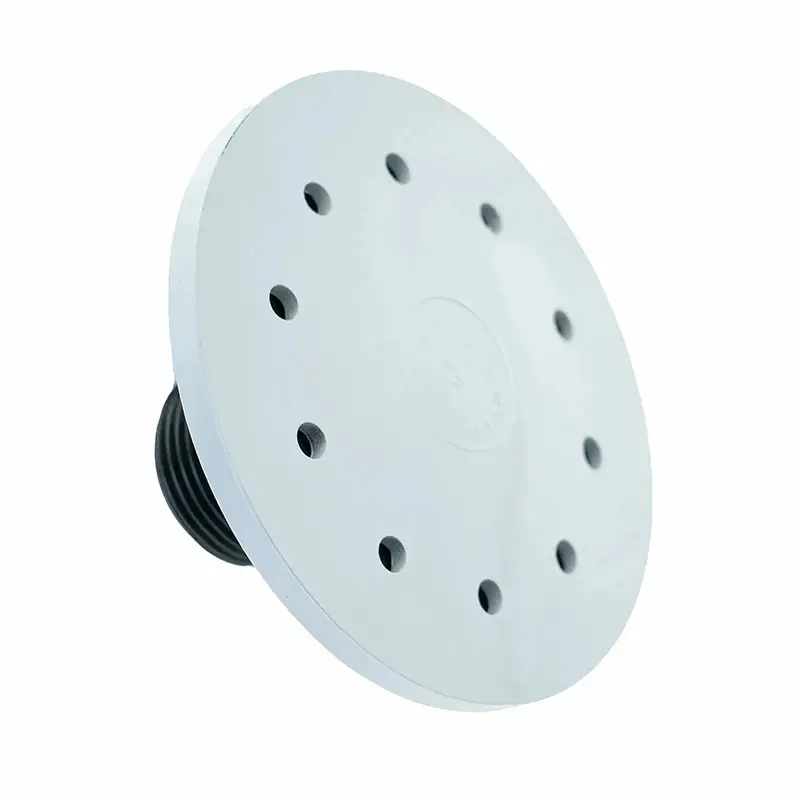
- Chosen for rugged, clog-resistant performance that provides reliable coarse-bubble aeration and mixing with low maintenance.
- Best suited to municipal and industrial wastewater aeration basins, equalization tanks, sludge digesters, and mixing tanks where vigorous airflow is needed.
- Select by matching airflow rate, diffuser size, tank depth, and material compatibility—such as EPDM or silicone—to the wastewater conditions and blower capacity.
- Plan proper header layout, spacing, and anchoring, and keep inspection and replacement simple to maintain efficient long-term operation.
SSI conducted an in-depth market investigation and performance analysis on the 125mm diameter Duck Bill diffuser, a mainstream coarse bubble aeration product used in wastewater treatment systems, several years ago, aiming to summarize the practical operational problems of traditional aeration equipment and optimize product design for industrial application.
The long-term field data and user feedback collected from municipal sewage plants, industrial wastewater treatment stations and large-scale biochemical aeration tanks revealed a prominent and widespread defect of the Duck Bill type diffuser in actual operation. The most frequent complaint from engineering operators and maintenance teams was the uneven air distribution among multiple diffusers installed on the same aeration pipeline.
This problem became particularly severe in long-distance pipeline layout scenarios and low air flux rate operating conditions, which are very common in daily wastewater treatment operations.
In large aeration tanks, aeration pipelines often extend tens of meters to cover the entire tank area. When the system runs at a low aeration volume to adapt to variable water quality and water load, the air pressure delivered to the tail end of the pipeline drops significantly.
The structural limitations of the 125mm Duck Bill diffuser make it unable to balance the air pressure difference along the pipeline, resulting in inconsistent aeration volume between the front-end and tail-end diffusers. Partial areas of the aeration tank suffer from insufficient oxygen supply, which reduces the activity of aerobic microorganisms, weakens the biochemical treatment effect, and ultimately lowers the overall sewage purification efficiency.
In addition to unstable air distribution, the flat structural design of the traditional Duck Bill diffuser brings another hidden operational risk. The flat outer surface of the diffuser is prone to the settling of suspended solids, sludge particles and organic impurities in the wastewater. Over long-term continuous operation, these deposited substances will gradually adhere to and accumulate on the diffuser membrane, causing membrane fouling and blockage.
This fouling problem not only further worsens the uneven aeration issue but also increases the pipeline operating resistance, raises the energy consumption of the air supply system, and shortens the service life of the diffuser membrane. Frequent equipment inspection, cleaning and replacement are required, which greatly increases the daily operation and maintenance cost of the wastewater treatment system.
To thoroughly solve the pain points of uneven air distribution and easy fouling of traditional Duck Bill type diffusers, SSI independently developed and launched the ReliaBall coarse bubble diffuser with an 88mm diameter after repeated structural optimization, material screening and field performance tests.
As an upgraded elastomeric round coarse bubble diffuser, it inherits the reliable corrosion resistance and high-temperature resistance of traditional rubber aeration products while adopting a brand-new spherical body shape that completely differs from the flat duckbill structure, achieving a comprehensive breakthrough in structural performance and operational stability.
The core technical advantage of the ReliaBall diffuser lies in its integrated design of check valve and orifice restriction structure. This innovative structural configuration can effectively stabilize the air pressure output of each diffuser node on the pipeline. Even in long pipeline layouts and low-flux operating environments, it can precisely balance the air supply volume of each diffuser, realizing extremely uniform full-tank aeration and completely solving the aeration deviation problem of traditional products.
Meanwhile, the spherical curved surface structure avoids the dead angle of sludge settlement, effectively preventing the adhesion and fouling of suspended solids in water, reducing the frequency of equipment maintenance, and improving the continuous and stable operation capability of the aeration system.
In terms of material quality, the round EPDM rubber membrane adopted by ReliaBall diffuser is made of high-purity premium raw materials with low plasticizer formula. This optimized material formula greatly enhances the tensile strength, aging resistance and chemical corrosion resistance of the membrane. It can adapt to complex and harsh wastewater environments containing acid, alkali and organic solvents, maintaining stable physical properties and aeration performance for a long time.
The high-strength material design ensures the robustness and durability of the product, reduces the failure rate in long-term operation, and provides a more reliable and energy-efficient aeration solution for modern wastewater treatment projects.
1. Introduction to Fine vs. Coarse Bubble Aeration
The process of aeration plays a critical role in wastewater treatment, significantly influencing both the efficiency of systems and the quality of treated effluent. Within this essential process, diffusers are employed to introduce air into wastewater, facilitating the aerobic degradation of organic matter. Two main types of diffusers dominate the market: fine bubble diffusers and coarse bubble diffusers. Understanding these two categories of aeration technology is vital for optimizing treatment processes, enhancing oxygen transfer rates, and ensuring cost-effective operations.
Fine Bubble Diffusers are designed to create tiny bubbles, typically less than 1 millimeter in diameter. These small bubbles have a larger surface area-to-volume ratio, resulting in a significantly higher oxygen transfer efficiency compared to their coarse counterparts. The specific oxygen transfer efficiency (SOTE) is a key performance indicator for fine bubble diffusers, as they are capable of achieving higher rates of oxygen transfer to the wastewater. When properly operated, fine bubble diffusers can achieve SOTE values of 2.5 to 5.0 kg O2/kWh or higher, making them particularly advantageous for applications that require efficient oxygenation with minimal energy input.
Conversely, Coarse Bubble Diffusers produce larger bubbles, typically greater than 1 millimeter in diameter. While these diffusers are less efficient in terms of oxygen transfer, often recording SOTE values between 0.5 and 2.0 kg O2/kWh, their robustness and simplicity in design make them suitable for various applications, especially where lower energy consumption is essential. Coarse bubbles rise rapidly through the water column, providing adequate mixing and facilitating the transfer of oxygen to the microorganisms that digest organic pollutants. They are particularly effective in shallow basins or lagoons where water depth is limited.
The energy consumption metrics associated with these two aeration systems often dictate the selection of one type over the other. Fine bubble diffusers, despite their higher initial investment costs, can lead to reduced energy expenditures over time. Their higher oxygen transfer rates mean less energy is required to achieve the same level of aeration. On the other hand, coarse bubble diffusers might offer lower capital costs, but their operational costs can increase due to their less efficient oxygen transfer, requiring greater energy input for adequate aeration. Consequently, when evaluating aeration solutions, it's imperative for wastewater treatment plants to conduct a thorough cost-benefit analysis that factors in energy performance, maintenance needs, and system longevity.
Maintenance and fouling are critical factors that impact the operational efficiency of both types of diffusers. Fine bubble diffusers, with their delicate membranes, are susceptible to fouling from biofilm growth, sediments, and other particulates present in the wastewater. This fouling can significantly reduce their aeration efficiency over time, leading to increased maintenance requirements and potential costs associated with replacing membranes or cleaning systems. Coarse bubble diffusers, being more robust, tend to withstand fouling better, resulting in lower maintenance demands. However, they can still suffer from performance degradation due to clogging caused by larger debris entering the system. Regular monitoring and cleaning schedules are essential for both systems to maintain optimal performance.
For facilities considering the implementation of aeration systems, hybrid system design recommendations have emerged as a response to the unique advantages and disadvantages of fine and coarse bubble diffusers. A hybrid approach might involve using fine bubble aeration in the more critical stages of treatment, where efficient oxygen transfer is paramount, and coarse bubble aeration in less critical phases, where mixing and oxygenation can be achieved at a lower cost. This strategic integration can maximize treatment efficiency while minimizing energy consumption—a critical consideration for plants working to adhere to stringent regulatory standards and environmental impacts.
In conclusion, the decision between fine bubble and coarse bubble aeration systems requires a nuanced understanding of each technology's advantages and limitations, particularly in relation to aeration efficiency and operational costs. By carefully analyzing factors such as SOTE efficiency, energy metrics, and maintenance requirements, wastewater treatment facilities can devise the most effective aeration strategy that attains regulatory compliance and enhances the ecological sustainability of their operations.
2. Oxygen Transfer Rate (SOTE) & Energy Efficiency
When assessing aeration systems for wastewater treatment, the choice between fine bubble diffusers and coarse bubble diffusers is crucial. Central to this discussion are two key factors: the Oxygen Transfer Rate (SOTE) and the overall energy efficiency of the systems. Understanding these elements not only aids in selecting the right diffuser type but also informs operational practices and long-term maintenance strategies.
Aeration Efficiency and Oxygen Transfer Rate (SOTE)
Oxygen Transfer Rate, or SOTE, measures the efficiency with which oxygen is transferred from the air into the water. This parameter is paramount in aeration systems as it directly affects the biochemical processes crucial for wastewater treatment. Fine bubble diffusers excel in SOTE due to their ability to produce smaller bubbles, which rise slowly and have a higher surface area to volume ratio. This characteristic facilitates a more effective gas-liquid interaction, allowing more oxygen to dissolve into the water.
In contrast, coarse bubble diffusers generate larger bubbles that rise quickly, resulting in a lower SOTE. While they can introduce sufficient oxygen into the system, their efficiency is notably less than fine bubble diffusers, particularly in applications where precise oxygen concentration control is required. Thus, for facilities prioritizing aeration efficiency, fine bubble diffusers often prevail, especially in wastewater treatments where oxygen demand is high.
Energy Consumption Metrics
Energy efficiency is a critical consideration in the selection of an aeration system. Fine bubble diffusers, while offering superior SOTE, also exhibit lower overall energy consumption per unit of oxygen transferred. This is primarily due to their ability to effectively utilize the air supplied, requiring less energy-intensive blower systems. Conversely, coarse bubble diffusers typically necessitate higher airflow rates to compensate for their lower oxygen transfer capabilities, contributing to increased energy costs.
Moreover, when evaluating the total operational expenses of an aeration system, energy consumption can be a significant factor. Facilities utilizing fine bubble technology often report reduced energy costs over time, making them economically advantageous despite potentially higher initial installation expenses. As energy rates continue to rise and sustainability becomes more necessary, the long-term savings associated with fine bubble diffusers become increasingly compelling.
Maintenance and Fouling Comparison
Maintenance is an often-overlooked aspect of aeration systems. Coarse bubble diffusers tend to be less affected by fouling, as their larger bubbles are less prone to clogging compared to the finer bubbles of fine bubble diffusers. However, this does not paint the full picture. Fine bubble diffusers can often tolerate some fouling due to their robust designs, while effective cleaning mechanisms can mitigate fouling impacts. Nonetheless, they may require more regular maintenance to maintain optimal performance.
Conversely, while coarse bubble diffusers may need less frequent maintenance interventions initially, their lower SOTE may lead to conditions that encourage more extensive biological growth in the system, which can create a need for additional cleaning or operational adjustments over time. Balancing these maintenance demands is crucial for maintaining aeration efficiency.
Hybrid System Design Recommendations
In recent years, hybrid system designs that incorporate both fine and coarse bubble diffusers have begun to gain traction. This approach seeks to harness the strengths of each diffuser type. For example, integrating fine bubble diffusers in the primary treatment zone can maximize oxygen transfer and enhance the oxidation of organic matter, while coarse bubble diffusers can be utilized in secondary zones where larger air volumes safeguard against settling issues and promote circulation.
The hybrid design not only optimizes aeration efficiency but also mitigates maintenance concerns by allowing for the periodic use of coarse bubble diffusers to disrupt biofilm buildup and cleanse system components. Such a balanced system can maximize both SOTE and energy efficiency, decreasing operational costs while ensuring high service reliability.
Leveraging insights into SOTE and energy efficiency metrics is essential for wastewater treatment facilities aiming for operational excellence. A well-considered choice of diffuser type, coupled with a holistic view of maintenance and potential system designs, can lead to optimized performance and sustainability in wastewater management practices.
3. Clogging Risks & Fouling Resistance
In wastewater treatment processes, efficient aeration is paramount to ensure optimal biological activity. The choice between fine bubble and coarse bubble diffusers can significantly impact aeration efficiency, oxygen transfer rate (OTR), and system maintenance needs. This detailed exploration of clogging risks and fouling resistance in diffusers is crucial for wastewater treatment professionals aiming to maximize system performance.
Understanding Clogging Risks
Clogging is a common issue in both fine and coarse bubble diffusers, but the risks differ considerably based on the design and operating principles of each diffuser type. Fine bubble diffusers have smaller pore sizes, usually ranging from 0.5 mm to 3 mm, which typically results in higher surface area for gas exchange but also makes them more susceptible to clogging. Contaminants such as oils, greases, and fibrous materials can accumulate in the diffuser pores, leading to reduced OTR and aeration efficiency.
Conversely, coarse bubble diffusers, with larger bubble sizes (typically 3 mm and above), tend to have a lower risk of clogging. The larger bubbles can navigate through some debris more effectively. However, their larger bubble sizes also mean that they generally have a lower mass transfer efficiency compared to their fine bubble counterparts. This creates a critical balance for operators to consider: while coarse bubble diffusers might reduce the risk of clogging, they could demand more energy input to achieve desired aeration levels, thereby increasing overall operating costs.
Fouling Resistance and Maintenance
When comparing fouling resistance, fine bubble diffusers, though more prone to clogging, can be less impacted by fouling due to the smaller and more concentrated air bubbles generated. This can promote better mixing and oxygen distribution in the treatment tank, potentially enhancing microbial activity. However, routine maintenance becomes vital to counteract the risks posed by fouling. Regular inspections, cleaning protocols, and replacement schedules for fine bubble diffusers help mitigate prolonged fouling issues.
On the other hand, coarse bubble diffusers generally require less frequent cleaning and maintenance because their larger pores establish a tolerance for various particles and materials in wastewater. However, they may demand operational adjustments based on changes in water quality and flow dynamics to maintain performance. Knowing that more substantial fouling can occur at lower OTRs means operators must balance energy consumption with maintenance workflows.
SOTE Efficiency Comparison
When examining the Standard Oxygen Transfer Efficiency (SOTE), fine bubble diffusers hold an advantage. Their design typically provides a higher SOTE compared to coarse bubble systems, especially in conditions where oxygen demand is high. Consequently, employing fine bubble diffusers can yield enhanced oxygen transfer rates and support greater biological treatment efficiency. Yet, to achieve optimal SOTE with fine bubble diffusers, system operators should be vigilant about managing fouling and ensuring clear airflow pathways to the diffuser plates.
Energy Consumption Metrics
Integrated with aeration efficiency, energy consumption metrics are critical in the choice of diffuser types. Fine bubble diffusers may require less energy per unit of oxygen transferred due to their superior efficiency, although their susceptibility to fouling necessitates greater diligence in maintenance efforts. The increased energy demands of coarse bubble diffusers complicate direct comparisons; while lower initial capital costs may favor them, the total cost of ownership—and particularly energy consumption across their lifecycle—often tips scales back towards fine bubble solutions, especially in larger installations demanding greater efficiency.
Hybrid System Design Recommendations
Considering the benefits and limitations of each diffuser type, a hybrid system design is increasingly recommended for large-scale wastewater treatment facilities. Combining fine and coarse bubble diffusers allows for the optimization of oxygen transfer rates while mitigating clogging risks. This hybrid system approach can be particularly effective where varying wastewater characteristics require adaptive aeration strategies. Operators can deploy fine bubbler units in regions with high organic loads and coarse bubble diffusers where particulate matter concentration is lower.
Moreover, implementing a hybrid system can capitalize on the unique strengths of each diffuser type, ensuring that overall aeration requirements are met while maintaining operational flexibility and maximizing system uptime.
In conclusion, understanding the risks of clogging and fouling associated with both fine and coarse bubble diffusers is vital in ensuring efficient wastewater treatment operations. By carefully evaluating the pros and cons, including SOTE efficiency, energy consumption, and maintenance needs, wastewater treatment facilities can strategically select and design diffuser systems that align with their operational goals. The evolution of hybrid systems opens new avenues for maximizing performance in challenging wastewater environments, marrying efficiency with practicality.
4. Lifecycle Costs & Capital Expenditure
When selecting between fine bubble and coarse bubble diffusers for wastewater treatment, understanding the lifecycle costs and capital expenditure plays a crucial role in ensuring an efficient and sustainable design. Both types of diffusers impact aeration efficiency, oxygen transfer rates (OTR), and operational expenses, implicating their respective influences on long-term financial commitments for wastewater treatment facilities.
Aeration Efficiency and OTR
Fine bubble diffusers are designed to produce smaller bubbles, which decreases bubble rise velocity and allows greater surface area for oxygen transfer. This characteristic results in a superior oxygen transfer rate (OTR) compared to coarse bubble diffusers, leading to enhanced aeration efficiency. While the initial capital expenditure for fine bubble diffuser installations may be higher due to material and manufacturing costs, the increased oxygen transfer efficiency can justify the investment by reducing the energy required to achieve desired treatment outcomes.
More specifically, fine bubble diffusers typically operate with a Standard Oxygen Transfer Efficiency (SOTE) significantly higher than that of coarse bubble diffusers. This metric quantifies the efficiency of oxygen transfer in the aeration process and is critical for evaluating the operational costs over the lifecycle of the wastewater treatment facility. Due to their ability to transfer more oxygen per unit of energy consumed, fine bubble diffusers can yield lower operational costs, ultimately affecting the overall lifecycle costs favorably.
Energy Consumption Metrics
Energy consumption is a pivotal element in the financial framework of wastewater treatment operations. Fine bubble oxygenation systems generally consume less energy relative to their coarse bubble counterparts. This is attributable to the reduced volume of air needed to achieve adequate dissolved oxygen levels, thanks to the high efficiency of fine bubble diffusers.
In quantifying energy consumption metrics, it is essential to assess power usage over the operational period of the system. Coarse bubble diffusers often require greater air flow rates to maintain acceptable levels of dissolved oxygen, leading to increased energy demands. The financial implications of these energy usage patterns can dwarf initial capital costs over time, making energy efficiency a priority for modern wastewater facilities.
Maintenance and Fouling Comparison
Fouling is another critical factor influencing lifecycle costs. Fine bubble diffusers are generally susceptible to fouling due to the smaller size of the bubbles, which provides more surface area exposed to biological growth, contaminants, and particulates. Maintenance costs for fine bubble systems can potentially be greater if fouling is not managed effectively. Regular cleaning and replacement of components may be necessary to maintain operational efficiency, thus impacting overall lifecycle costs.
In contrast, coarse bubble diffusers tend to have lower fouling rates due to their larger bubble size. The coarser bubbles are less likely to become clogged or obstructed, resulting in reduced maintenance and lower ongoing operational costs. However, this advantage must be balanced against their lower aeration efficiency, necessitating a broader understanding of performance versus maintenance costs when calculating lifecycle expenditures.
Hybrid System Design Recommendations
To optimize both capital and operational expenditures, treatment facilities might consider hybrid designs incorporating both fine and coarse bubble diffusers. This approach allows the advantages of both systems to be harnessed effectively. For instance, a hybrid system could utilize fine bubble diffusers to meet high-demand oxygenation needs during peak load periods, complemented by the more robust coarse bubble systems during less intensive periods.
This blend not only enhances the aeration efficiency and OTR but also mitigates maintenance issues associated with fouling. The hybrid system can provide flexibility, allowing facility operators to adjust operations based on actual needs while effectively managing energy consumption and maintaining cost efficiency over the lifecycle of the equipment.
In conclusion, when weighing lifecycle costs and capital expenditure for fine vs. coarse bubble diffusers in wastewater treatment, numerous factors come into play, including aeration efficiency, energy consumption, maintenance, and the potential for hybrid system integration. An informed decision can lead to enhanced operational performance and significant long-term savings, positioning treatment facilities for success in an increasingly resource-conscious environment.
5. Selecting the Right Diffuser for Your Wastewater Basin
When managing wastewater treatment systems, choosing the correct diffuser can significantly influence both the aeration efficiency and the overall performance of the treatment process. The two predominant types of diffusers available in the market are fine bubble diffusers and coarse bubble diffusers, each offering distinct advantages and drawbacks. Understanding the specific needs of your wastewater basin involves a careful consideration of several factors including aeration efficiency, oxygen transfer rate, energy consumption metrics, maintenance concerns, and potential hybrid system designs.
Aeration Efficiency and Oxygen Transfer Rate
At the core of every effective wastewater treatment system is the ability to efficiently transfer oxygen from the air to the wastewater. This is where the choice between fine bubble and coarse bubble diffusers becomes crucial. Fine bubble diffusers, with their smaller bubble sizes, typically achieve higher oxygen transfer rates (OTR) compared to their coarse counterparts. The smaller bubbles have a larger surface area-to-volume ratio, which promotes better gas exchange with the wastewater. This results in enhanced aeration efficiency, as fine bubble diffusers can maintain adequate oxygen levels with less energy input.
On the other hand, coarse bubble diffusers produce larger, less buoyant bubbles that rise rapidly through the water column. While they are generally less efficient in oxygen transfer, they have certain advantages like improved mixing of the wastewater. This mixing can help maintain even concentrations of contaminants throughout the basin, proving beneficial in specific treatment setups. Still, in terms of SOTE (Standard Oxygen Transfer Efficiency) measurements, fine bubble diffusers typically outperform coarse systems, making them more suitable for long-term, energy-efficient operations.
Energy Consumption Metrics
Selecting the right diffuser also involves scrutinizing energy consumption metrics. Fine bubble diffusers require a more precise regulation of air flow due to their high oxygen transfer efficiency. This can be more energy-efficient in the long run, as less energy is required to achieve the desired aeration levels. Conversely, while coarse bubble diffusers may have a lower initial capital investment due to their simpler design and installation, they often result in higher operational costs due to increased energy consumption related to lower aeration efficiency.
In energy-conscious environments, the choice of diffuser can significantly impact operating costs. Fine bubble systems, although often more expensive upfront, can compensate for this with reduced energy bills over time, resulting in a favorable return on investment (ROI).
Maintenance and Fouling Comparison
Maintenance is another critical factor that plays a significant role in diffuser selection. Fine bubble diffusers are more prone to fouling due to the smaller openings, leading to potential blockages caused by debris, biological growth, or sludge accumulation. Regular maintenance and cleaning are required to ensure consistent operation and maximize oxygen transfer rates. This can lead to increased operational demands, which need to be factored into the total cost of ownership.
Hybrid System Design Recommendations
In many cases, a hybrid system that integrates both fine and coarse bubble diffusers can offer a balanced solution. Such designs allow operators to capitalize on the aeration efficiency of fine bubble diffusers while ensuring adequate mixing and solids management through coarse bubble diffusers. Utilizing a hybrid approach can target the unique challenges of heterogeneous wastewater composition, achieving optimal aeration throughout the basin.
Moreover, hybrid systems can allow for flexible operation; for instance, fine bubble diffusers can be employed during peak loading conditions where higher oxygen demand is critical, while coarse bubble diffusers can be used during lower demand periods or for mixing purposes. This adaptive strategy can not only enhance system performance but also prolong the operational lifespan of the diffusers by minimizing fouling and wear.
In conclusion, selecting the right diffuser for your wastewater basin demands a comprehensive understanding of the process requirements at hand. The decision should be aligned with operational goals, budget considerations, and long-term sustainability practices, ensuring that the chosen system delivers both efficiency and reliability in treating wastewater.
Conclusion
In conclusion, as we celebrate two decades of experience in the wastewater treatment industry, it becomes clear that the choice between fine bubble and coarse bubble diffusers significantly impacts efficiency and performance. Each diffuser type presents unique advantages tailored to specific operational needs, and understanding these differences is critical for optimizing your wastewater treatment processes. Fine bubble diffusers excel in oxygen transfer efficiency, ideal for smaller, more controlled environments, while coarse bubble diffusers offer robustness and cost-effectiveness for larger, more turbulent systems. Ultimately, the decision should be guided by your facility's unique requirements, resource availability, and long-term goals. As you navigate this important choice, remember that leveraging our two decades of expertise can help you implement the most effective solutions for your wastewater management challenges. Here at [Your Company Name], we are committed to supporting you every step of the way, ensuring that your systems are both efficient and sustainable for years to come.
1. Equalization Tank Aeration and Solids Suspension Requirements
In the realm of wastewater treatment, equalization tanks play a pivotal role by stabilizing variations in influent flow and composition. They serve as a buffer, ensuring that downstream processes—such as biological treatment, membrane filtration, or disinfection—operate efficiently and effectively. A crucial component of the design and operation of equalization tanks is the aeration and mixing achieved through coarse bubble diffusers. These devices not only facilitate aeration but are key to achieving the proper solids suspension necessary for optimal treatment performance.
The Function of Coarse Bubble Diffusers
Coarse bubble diffusers are specifically designed to introduce air into the equalization tank in the form of large bubbles. These diffusers promote effective mixing by creating turbulence within the tank, which serves to suspend solids and prevent settling. It is essential that the design of the diffuser is optimized for non-clogging, as the introduction of raw wastewater can involve solids of various sizes and natures, including grit, scum, and organic matter. Non-clogging orifice designs are integral to ensuring that the diffusers maintain functionality over time without frequent cleanouts or maintenance.
These diffusers utilize larger orifices, which significantly reduce the likelihood of particles entering and clogging the air pathways. As raw wastewater can contain a mix of fine particulate matter, oils, and fibrous materials, coarse bubble diffusers ensure that the bubbles produced maintain their effectiveness in promoting uniform mixing and aeration throughout the tank.
Intermittent Operation Capability
Another advantage of using coarse bubble diffusers in equalization tank aeration is their capacity for intermittent operation. Wastewater treatment facilities may not require continuous aeration due to fluctuating influent flows or timing issues with downstream processes. Coarse bubble diffusers are designed to operate intermittently, which allows facilities to save energy and operational costs while still achieving necessary aeration and mixing at critical junctures.
By integrating advanced control systems, these diffusers can be programmed to activate at various intervals depending on real-time monitoring of water quality and flow rates. This adaptability contributes to a more efficient operation. Moreover, intermittent operation enhances the potential for capturing volatiles and improving the overall quality of effluent by preventing the buildup of unprocessed organic materials.
Solids Suspension Velocity
The proper suspension of solids is essential for the efficient operation of an equalization tank. The velocity of the water resulting from aeration must exceed the settling velocity of the solids contained within. Coarse bubble diffusers generate large bubbles that rise slowly, creating a strong upward movement in the water column. This upward movement promotes effective mixing and ensures that solids remain suspended and evenly distributed throughout the tank.
The design of the diffusers can be carefully tailored to achieve specific solids suspension velocities that correspond to the tank’s volume and the characteristics of the influent. By calculating these velocities, engineers can ensure that the equalization tank effectively handles the solids load, minimizing the risk of sedimentation and maximally utilizing the tank's capacity for buffering varying flow rates.
Equalization Tank Mixing Dynamics
Effective equalization tank mixing has significant implications for downstream processes within a wastewater treatment plant. Proper mixing leads to homogeneity in the tank, ensuring that all portions of the mixed wastewater are equivalent in composition. This uniformity is crucial as it directly impacts the chemical and biochemical reactions that occur later in the treatment process.
The interplay between aeration and mixing facilitated by coarse bubble diffusers turns the equalization tank into a dynamic environment devoid of stagnant zones. This ensures that areas of low oxygen and poor mixing don’t negatively impact biological treatment processes, maintaining a vibrant environment for microorganisms when the flow transitions into the next stages of treatment.
Overall, coarse bubble diffusers are pivotal in achieving effective equalization tank aeration and solids suspension. Their non-clogging designs and capability for intermittent operation, along with their influence on solids suspension velocity, work in harmony to support optimal mixing. By benefiting from these attributes, wastewater treatment facilities can ensure efficient processing of raw wastewater, contributing to improved treatment outcomes and environmental protection.
2. Coarse Bubble Cap vs. Shear-Wave Tube Diffusers
Coarse Bubble Cap Diffusers
Coarse bubble cap diffusers are designed to generate larger, coarse air bubbles that effectively disrupt the liquid surface and create vigorous mixing within the equalization tank. Their non-clogging orifice design is particularly noteworthy, as it minimizes the risks associated with the presence of solids typical in raw wastewater. This feature enables these diffusers to maintain operational efficiency even in environments where solids are prevalent, ensuring that the aeration process remains uninterrupted.
The coarse bubbles produced by these diffusers not only facilitate effective oxygen transfer into the wastewater but also enhance the suspension of solids within the tank. The upward burst of air bubbles generates a sweeping motion that helps to keep larger particles and other debris in suspension, preventing sedimentation at the bottom of the tank. This is crucial for equalization tank mixing, where achieving a uniform mixture of solids and liquids is paramount for effective wastewater treatment processes.
Another significant advantage of coarse bubble cap diffusers is their ability to operate intermittently. This is particularly valuable in equalization tanks where the inflow of raw wastewater can fluctuate. By allowing for periodic aeration, these diffusers support energy efficiency and can help regulate biochemical processes within the tank, aligning with the varying loads and characteristics of the incoming wastewater.
Shear-Wave Tube Diffusers
On the other hand, shear-wave tube diffusers are engineered to produce smaller, finer bubbles, which can also be effective in certain applications. These diffusers operate on the principle of shear forces generated by the increased surface area of numerous small bubbles. The finer bubbles created by shear-wave tubes can enhance oxygen transfer rates but may come with a higher likelihood of clogging, particularly in environments with a high concentration of solids.
While shear-wave tube diffusers can provide excellent oxygenation, their effectiveness in equalization tank mixing can be limited compared to coarse bubble cap diffusers. The smaller bubbles tend to rise more slowly, which might not create the same dynamic flow necessary to suspend larger particles and facilitate optimal mixing. Furthermore, the potential for clogging can lead to operational downtimes, which are costly in wastewater treatment environments where consistent aeration and mixing are essential.
Comparative Analysis
In assessing the comparative effectiveness of coarse bubble cap and shear-wave tube diffusers, several critical factors must be considered. The ability of coarse bubble diffusers to maintain a steady solids suspension velocity makes them particularly well-suited for varying conditions within equalization tanks. They bring the advantage of robust performance in challenging raw wastewater scenarios, ensuring thorough mixing and promoting efficient aeration with minimal blockage risks.
Conversely, while shear-wave tube diffusers can produce finer bubbles that enhance oxygenation under ideal conditions, their susceptibility to clogging can hinder overall system performance, especially in the dynamic settings of equalization tank mixing. Furthermore, their operational demands may require more significant maintenance and monitoring compared to their coarse bubble counterparts.
Ultimately, the choice between coarse bubble cap diffusers and shear-wave tube diffusers hinges on specific project requirements and the characteristics of the raw wastewater being processed. While coarse bubble diffusers offer clear advantages in terms of non-clogging design, effective solid suspension, and adaptability to intermittent operation, shear-wave tube diffusers may still find their niche in situations where fine aeration is prioritized.
Understanding the strengths and weaknesses of each type of diffuser allows operators to make informed decisions tailored to their equalization tank's unique needs, optimizing mixing and aeration for maximum treatment efficiency. The long-term success of any wastewater treatment process will rely heavily on these fundamental choices, making it critical to select the right diffuser technology for the job at hand.
3. Non-Clogging Designs for High-Solids Raw Effluent
Efficient aeration in equalization tanks is crucial for the effective treatment of wastewater, particularly when dealing with high-solids raw effluent. One of the most significant innovations in this domain is the emergence of non-clogging designs for coarse bubble diffusers. These diffusers play a pivotal role in ensuring consistent and effective mixing, helping to maintain optimal conditions for biological processes in wastewater treatment. The following discussion delves into the mechanisms and features that render these non-clogging diffusers integral to the aeration process.
Non-Clogging Orifice Design
At the heart of non-clogging coarse bubble diffusers are their meticulously engineered orifice designs. Traditional diffusers often struggle with blockages caused by the accumulation of solids, which can significantly reduce their performance. Non-clogging diffusers mitigate this issue through strategically engineered orifice sizes that accommodate various solids concentrations. The larger orifice openings allow for coarse air bubbles to be released without being hindered by particulate matter in the effluent, thus maintaining continuous operation. Furthermore, these diffusers are often constructed from resilient materials that can withstand the abrasive nature of raw wastewater, ensuring durability and longevity even in demanding conditions.
Intermittent Operation Capability
A significant advantage of non-clogging designs is their ability to facilitate intermittent operation during periods of variable flow rates and solid loadings. Wastewater treatment processes often require aeration to adapt to changing conditions; during peak flow, for instance, the concentration of solids may increase dramatically, demanding a robust response from aeration systems. These diffusers are adept at adjusting to intermittent operations without compromising the aeration efficiency needed for effective equalization tank mixing. This adaptability not only enhances operational efficiency but also conserves energy, as the system can operate at reduced loads when conditions permit.
Solids Suspension Velocity
Effective mixing of high-solids raw effluent hinges on achieving adequate solids suspension velocities within the equalization tank. Non-clogging coarse bubble diffusers are designed to produce large, low-velocity bubbles that rise through the liquid, creating gentle turbulence that keeps solids suspended. This approach is particularly important in equalization tanks, where uniform distribution of materials is essential for subsequent treatment processes. The larger bubbles generated by these diffusers provide a means to efficiently transport suspended solids throughout the tank, preventing settlement and promoting an active mixing environment. As a result, treatment efficiency is maximized, leading to improved overall performance of the wastewater treatment facility.
Equalization Tank Mixing Dynamics
The dynamic mixing requirements of an equalization tank are multifaceted, necessitating a solution that can handle fluctuations in flow rates and solids concentrations. The use of non-clogging coarse bubble diffusers in these systems enables effective equalization of the influent wastewater. The mass transfer of oxygen into the liquid, coupled with the mixing induced by large bubbles, plays a vital role in maintaining aerobic conditions within the tank, thereby facilitating biological processes that break down organic matter. The ability to maintain adequate dissolved oxygen levels while effectively managing solids is essential for realizing the full potential of the equalization tank's function.
4. Energy Efficiency vs. Mechanical Mixers
To begin with, the concept of energy efficiency in wastewater treatment is directly linked to operational costs and environmental impact. Mechanical mixers, while effective in creating turbulence, often consume significant amounts of electrical energy. Additionally, their high operational demands can translate into increased wear and tear, translating into regular maintenance requirements. In contrast, coarse bubble diffusers offer a more energy-efficient solution for equalization tank mixing, primarily due to their unique operational principles.
Coarse bubble diffusers utilize air-filled pores to produce large bubbles, which rise through the wastewater. As these bubbles ascend, they facilitate mixing by promoting circulation within the tank. This method not only reduces energy input but also creates a more uniform distribution of dissolved oxygen throughout the wastewater. Because coarse bubble diffusers operate based on the principle of buoyancy and fluid dynamics rather than mechanical agitation, they often require fewer kilowatt-hours to achieve similar mixing results compared to mechanical mixers.
One of the critical aspects of coarse bubble diffusers is their non-clogging orifice design. Traditional mechanical mixers can struggle with clogging due to the solid content present in raw wastewater. In contrast, a well-designed non-clog diffuser remains operational even in challenging conditions, allowing for consistent performance over time. This resilience leads to reduced downtime and maintenance costs. When a diffuser is employed, it can also maintain competent mixing during periods of high solids load, ensuring the equalization tank functions effectively without interrupting the treatment process.
Moreover, the intermittent operation capability of coarse bubble diffusers introduces another layer of energy efficiency. Unlike mechanical mixers that often run continuously, coarse bubble aeration systems can be designed to operate in an intermittent fashion. This means that diffusers can be activated in response to variability in flow rates or solids concentration, optimizing energy use according to operational needs. By adjusting the aeration based on real-time conditions, facilities can significantly lower their energy consumption.
Another advantage is the capacity of coarse bubble diffusers to maintain a solids suspension velocity that ensures all particles circulate throughout the tank. In equalization tanks, maintaining a minimum velocity is crucial to prevent sedimentation and promote mixing, which directly affects the overall efficiency of the treatment process. Coarse bubble diffusers provide this capability naturally through the rising bubbles that induce upward flow, effectively suspending heavier particles without the need for vigorous mechanical stirring. This gentle yet effective mixing can minimize shear stress on sensitive biological populations, making it a preferable option in many treatment plants.
When considering raw wastewater mixing, it becomes evident that the synergy between coarse bubble diffusers and the dynamics of equalization tanks maximizes mixing efficiency. The coarse bubbles not only enhance oxygen transfer but also create turbulence conducive for achieving homogeneity of the mixed liquor. With the growing emphasis on sustainable practices in wastewater treatment, technologies that minimize energy consumption while maximizing mixing and aeration effectiveness, such as coarse bubble diffusers, continue to gain favor over traditional mechanical mixers.
In conclusion, as the wastewater treatment industry faces increasing demands for energy efficiency and operational reliability, coarse bubble diffusers stand out as a forward-thinking alternative to mechanical mixers. Their non-clogging design, ability to operate intermittently, efficient solids suspension, and effective raw wastewater mixing capabilities make them an excellent choice for optimizing equalization tank aeration. The transition from mechanical to aeration technologies represents a significant advancement in sustainable treatment practices, paving the way for more efficient and environmentally friendly wastewater management systems.
5. Equipment Recommendation
5. Equipment Recommendation: Coarse Bubble Diffusers for Equalization Tank Mixing
The selection of the right coarse bubble diffuser is critical for optimizing aeration in equalization tanks, especially when dealing with raw wastewater. An effective diffuser not only enhances mixing but also reduces the risk of clogs, ensuring consistent performance. For any wastewater treatment facility looking to improve its aeration and mixing processes, the right equipment can make a significant difference. Below, we explore the essential features and recommendations for high-performing coarse bubble diffusers tailored for equalization tank aeration.
Non-Clogging Orifice Design
One of the primary factors to consider in diffuser selection is the non-clogging orifice design. Wastewater can contain numerous solids, fibrous materials, and other debris that can quickly block standard diffusers, leading to reduced efficacy and increased maintenance costs. A well-designed coarse bubble diffuser employs a robust, non-clogging orifice. These diffusers use larger openings that allow for effective gas flow while minimizing the likelihood of solid accumulation.
For instance, products like the Diffuser XYZ-1000 utilize a patented design that prevents clogging while still achieving optimal gas transfer efficiency. The orifices are engineered to resist fouling, permitting consistent operation even in heavily loaded conditions that characterize raw wastewater. Such designs enhance the longevity of the equipment and minimize downtime for cleaning or replacement.
Intermittent Operation Capability
Intermittent operation is another crucial specification for coarse bubble diffusers utilized in equalization tank aeration. Not all wastewater treatment facilities operate continuously, and many systems perform best under variable loading conditions. Coarse bubble diffusers with intermittent operation capabilities are designed to maintain efficiency when subjected to cyclic aeration patterns.
The EcoAire FlexDiffuser, for example, is expertly designed for varying operational demands. This system not only adapts to different aeration phases by efficiently transitioning between on and off states but also maintains adequate oxygen transfer rates during low flow conditions. Such flexibility in operation ensures that the equalization tank optimally manages fluctuations in wastewater characteristics without compromising the mixing process.
Solids Suspension Velocity
A pivotal aspect of any coarse bubble diffuser is its ability to create adequate solids suspension velocity. This velocity is critical for ensuring that the heavier particles and sediments in raw wastewater are adequately mixed and suspended, preventing stratification in the equalization tank. The design and placement of diffusers can significantly affect this parameter.
For optimal solids suspension, look for diffusers that produce larger bubble sizes, which in turn enhances mixing relative to energy input. The BigBubble Pro Diffuser delivers impressive results by generating coarse bubbles that rise quickly, leading to a higher energy transfer and effective solids suspension across the tank. Several studies have shown that systems capable of maintaining a minimum solids suspension velocity are vital for achieving homogenous mixing and proper treatment.
Application in Equalization Tank Mixing
In the context of equalization tank mixing, the application of coarse bubble diffusers is multifaceted. Mixing in equalization tanks is crucial for ensuring that the biochemical processes required for treatment occur uniformly. Coarse bubble diffusers can effectively control hydraulic retention time while maintaining homogeneity and reducing the risk of anaerobic conditions that could lead to undesired septicity.
Modern systems such as the AquaMix CB-2000 are ideal for equalization tanks, offering adjustable mixing patterns and depths. By allowing operators to customize the aeration scheme, these diffusers help manage the biological processes efficiently while ensuring that the raw wastewater remains properly mixed. Optimal mixing and aeration lead not only to improved treatment outcomes but also to energy savings for the facility.
When choosing a coarse bubble diffuser for equalization tank aeration, it’s essential to consider the design features that contribute to effective operations. Non-clogging orifice designs, intermittent operation capabilities, and the ability to maintain solids suspension velocity are all critical aspects that dictate performance. Each of the recommended diffusers outlined above meets these necessary criteria, ensuring that wastewater treatment facilities can efficiently manage raw wastewater and achieve optimal mixing conditions in their equalization tanks. Investing in the right equipment will lead to more effective treatment processes and increased operational efficiency.
Conclusion
In conclusion, choosing the right coarse bubble diffusers for your equalization tank mixing needs is vital for ensuring efficient aeration and optimal performance. With our 20 years of experience in the industry, we understand the intricacies of wastewater treatment and the critical role that effective mixing plays in achieving superior results. Our expertise has allowed us to identify and highlight the best options available, catering to various operational requirements and budgets. As you embark on your journey to improve your treatment processes, trust our commitment to quality and innovation—let us guide you in selecting the perfect coarse bubble diffusers that will not only enhance your mixing efficiency but also contribute to a more sustainable future for your facility. Together, we can ensure your systems are equipped for success.
+86-18019736003